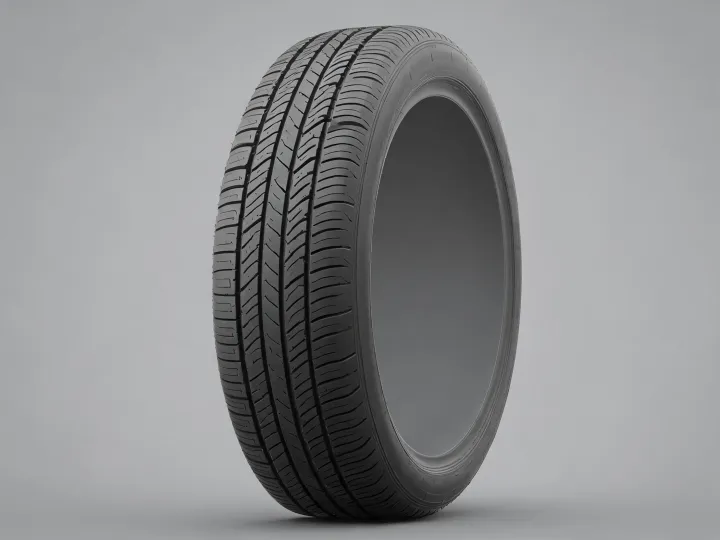
Passenger car tires
Share the OE size, load index, speed rating and seasonal use.
Illustrative size · 225/45R18
Browse the tire catalog
Independent China sourcing desk
Give us the sidewall code, vehicle duty and destination. We help turn that brief into comparable supplier quotes for passenger and commercial tires.
Product sourcing
Start with the vehicle and route. They tell us which details need to stay fixed when we compare alternatives.
Share the OE size, load index, speed rating and seasonal use.
Illustrative size · 225/45R18
Browse the tire catalog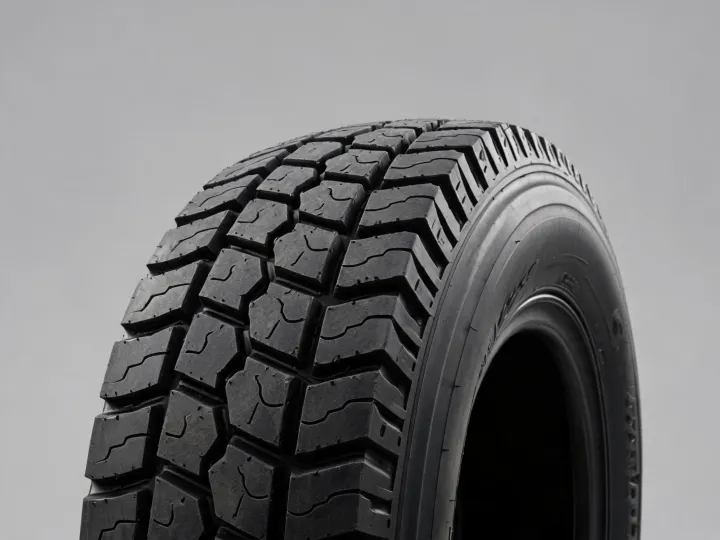
List the axle duty, size designation and single or dual fitment.
Intake · axle and service duty
Prepare van tire specs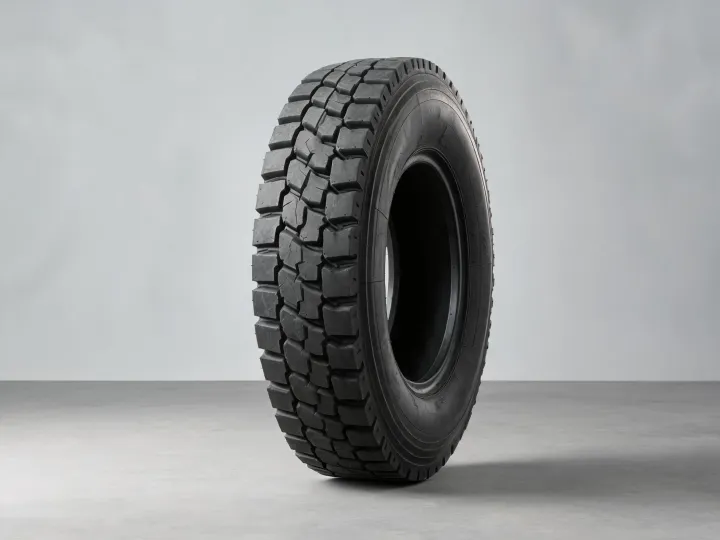
Separate steer, drive and trailer rows, including quantities by axle position.
Intake · position and route
Explore fleet applicationsYour first worksheet
Three buying checkpoints
Mark sizes and load or speed requirements as firm. Add destination port, target market and quantity per line.
Align Incoterm and named place, packing scope, quote validity and sample terms. Ask each supplier to identify substitutions.
Agree on sample IDs, document scope, inspection criteria and packing list references before the buyer authorizes release.
Buying contexts
Compare mixed-size orders and named delivery points.
Separate axle positions and load or speed requirements.
Check dimensions and hub interfaces against OE records.
Keep sidewall, SKU and channel labels aligned.
Before you send an inquiry
Yes. Compare the same size and load index, then record the rolling resistance method, wet grip measure and tread-life assumptions. Route and axle duty can change which compromise is suitable.
A catalog size can simplify comparison if the supplier can confirm the exact SKU and lot. A custom program can lock in a needed construction or marking, with a separate sample, tooling and evidence review.
Ask the supplier to confirm minimum quantities per SKU and to separate sample, production and handover timing after the specification is agreed. For mixed-container loading, require a packing row for each size and lot so an order minimum cannot hide an undocumented substitution.
Request the marking photo, product data and any report applicable to the target market. Match them to the proposed SKU and supplier site before they support a buying decision. For a wheel add-on, ask for the drawing revision and both radial runout and lateral runout readings tied to the sample.
Enter the marking, quantity by size and destination port. Flag any dimensions or performance limits your team still needs to confirm.